Meditation: Choosing a Posture That Works for You
This guide outlines common posture options for meditation and the principles that support comfort, safety, and sustained attention. There is no single correct or required way to position your body.
The most effective posture is the one that allows you to breathe comfortably, feel supported, and remain present without strain.
1. Foundational Principles
Comfort supports consistency. A posture that feels sustainable allows the nervous system to settle.
Alignment should feel natural, not forced. Gentle length through the spine is helpful, but rigidity is not required.
Stability matters more than shape. Choose a position where your body feels grounded and secure.
Adaptation is encouraged. Your posture can change from day to day based on pain, fatigue, mobility, or preference.
Props are appropriate and recommended. Supportive tools reduce unnecessary muscular effort and improve ease.
2. Traditional Postures (Optional)
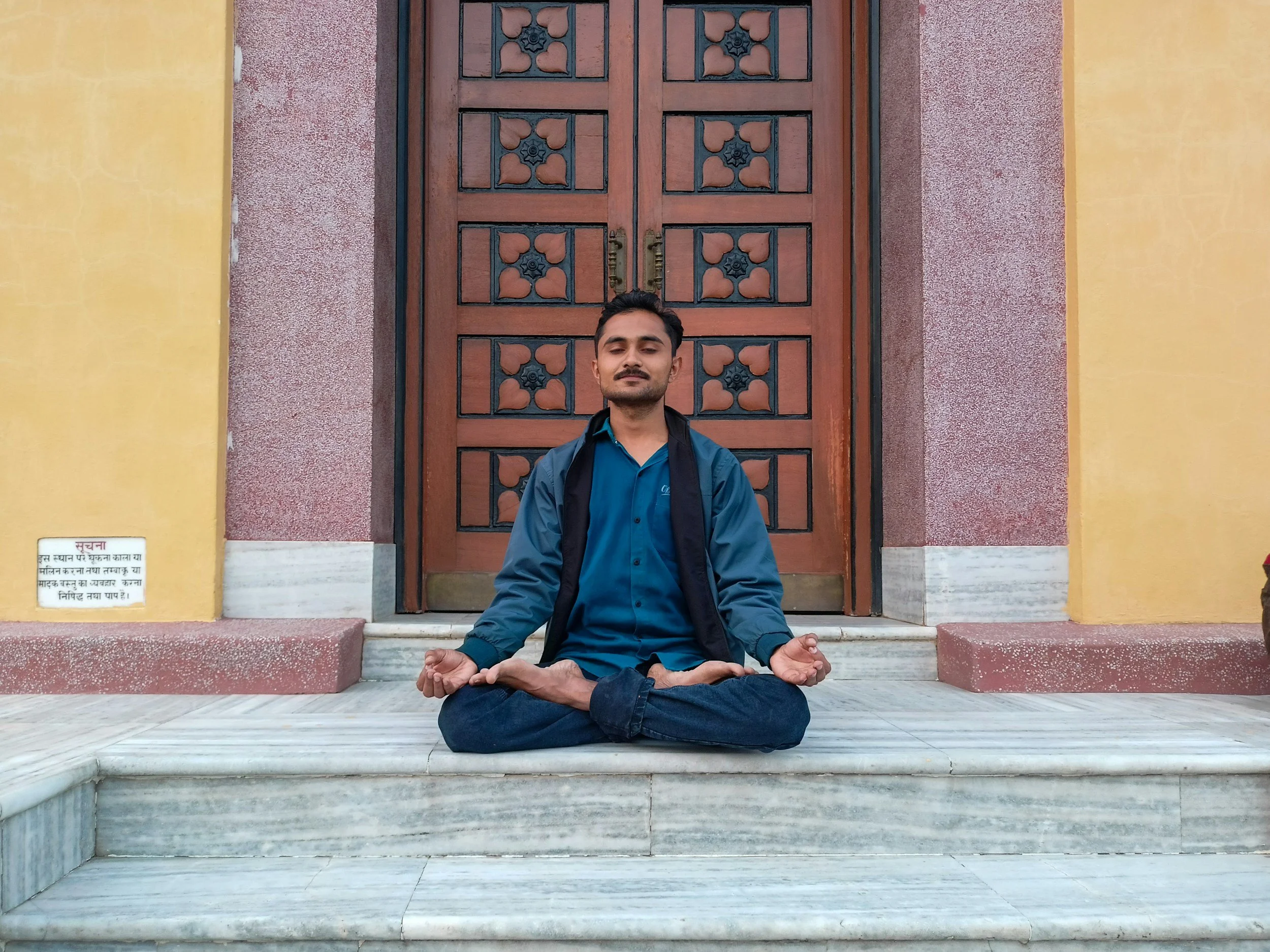
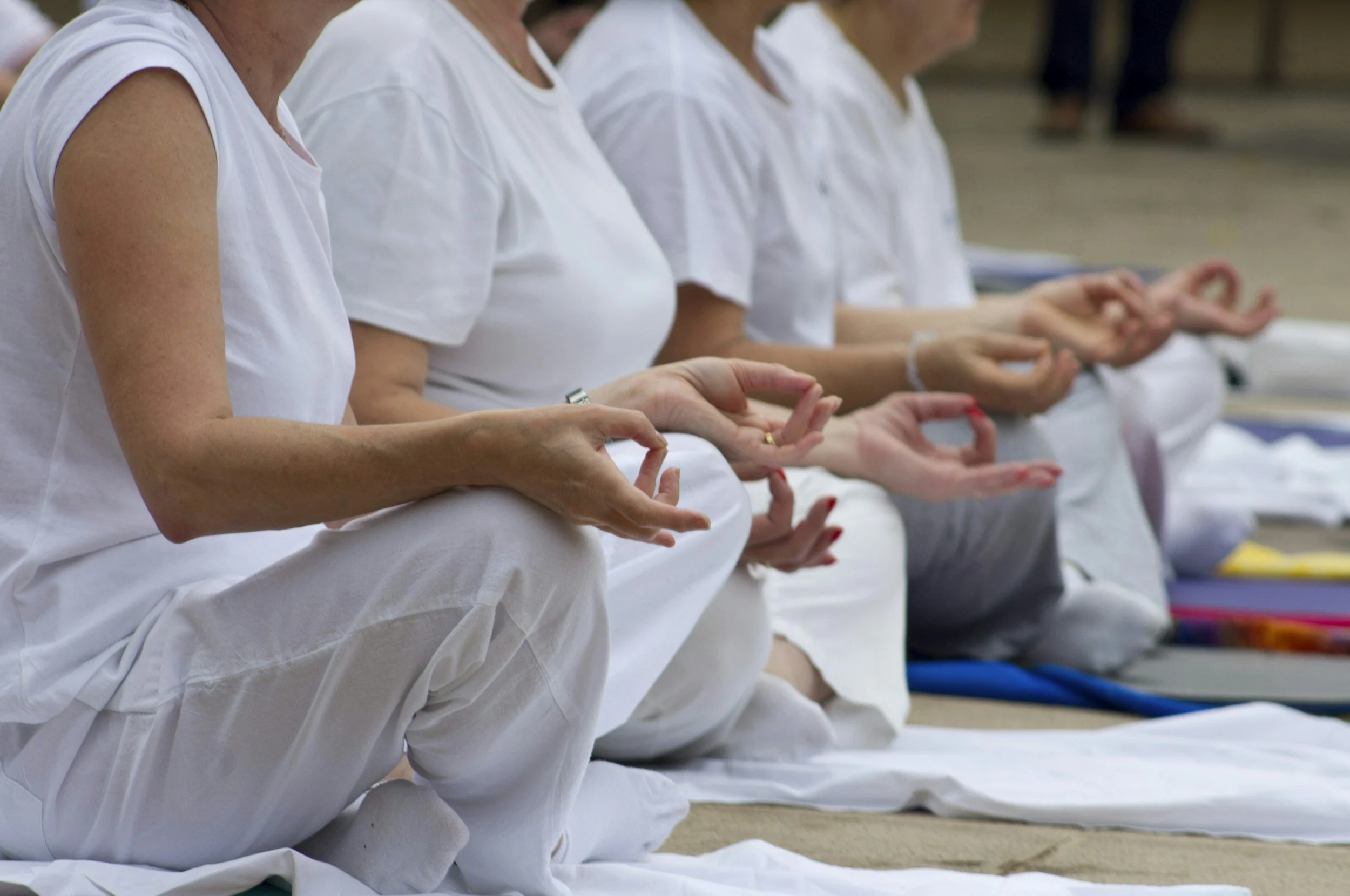
Traditional meditation lineages often use upright seated positions. These can be supportive for some bodies but are not required.
Common traditional options:
Cross‑legged on the floor
Kneeling (seiza) with a cushion or meditation bench
Half‑lotus or lotus (not necessary for effective practice and not accessible for many people)
These postures may be a meaningful goal for some individuals, but they are not required for comfort, presence, or effectiveness.
3. Modern Postures (Accessible and Adaptable)
Modern approaches emphasize comfort, joint safety, and nervous‑system regulation.
Seated on the Floor
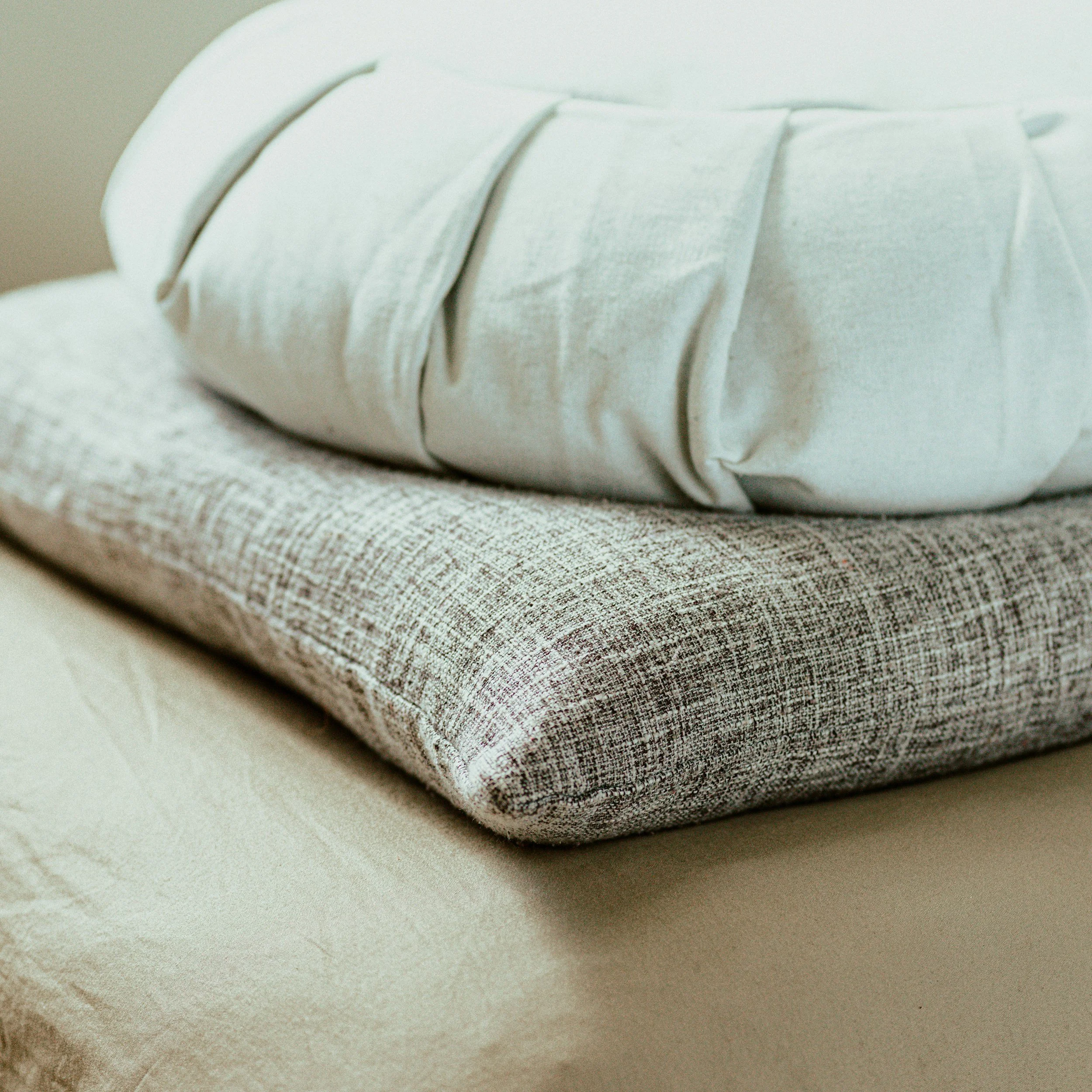
Sit on a cushion or bolster to elevate the hips above the knees.
Support the knees with blocks or blankets if needed.
Maintain a gentle, natural curve in the spine.
Seated in a Chair
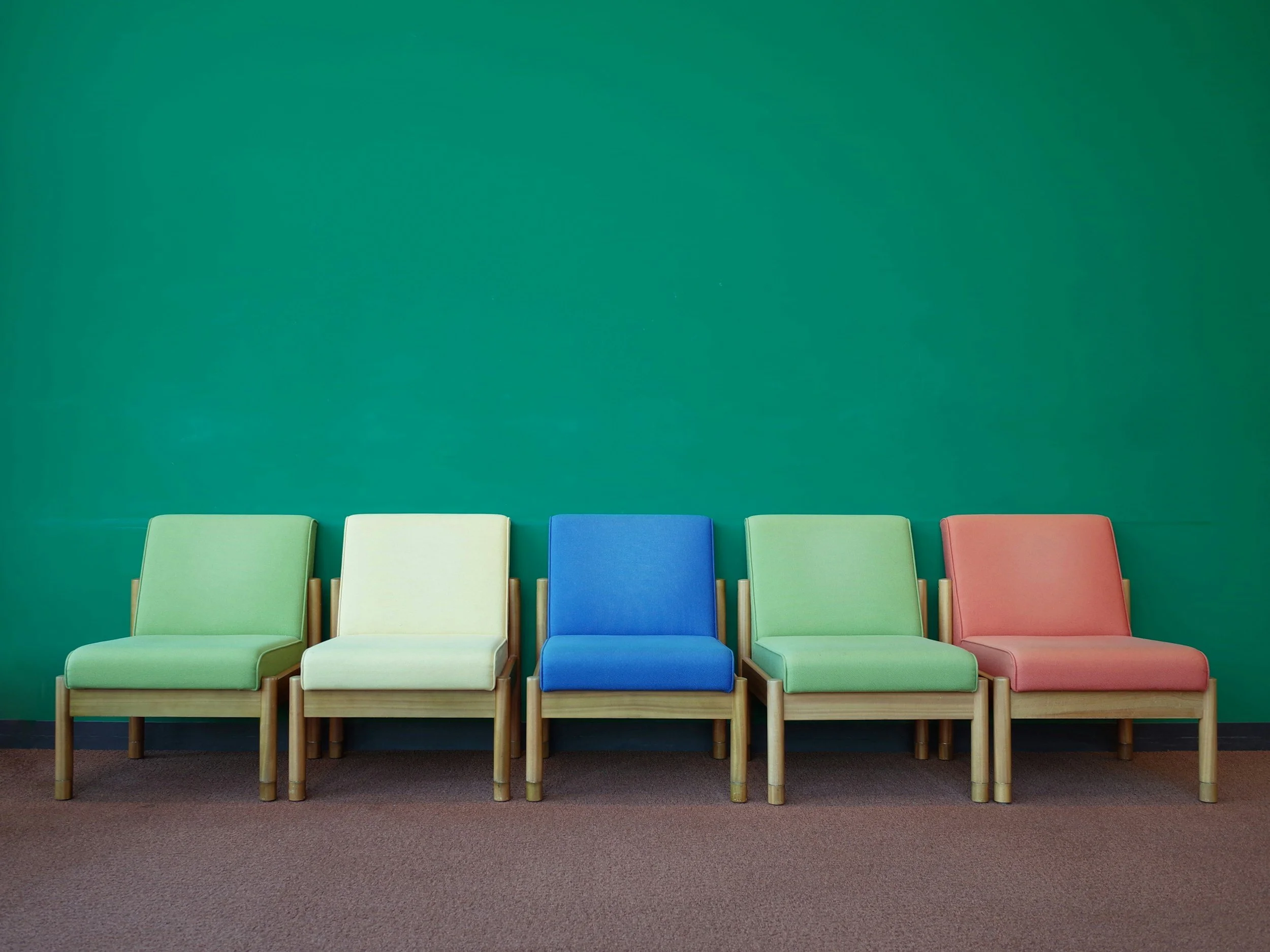
Feet grounded and uncrossed, resting flat on the floor or on a support.
Hips and knees at approximately 90 degrees, or adjusted for comfort.
Back supported or unsupported depending on preference.
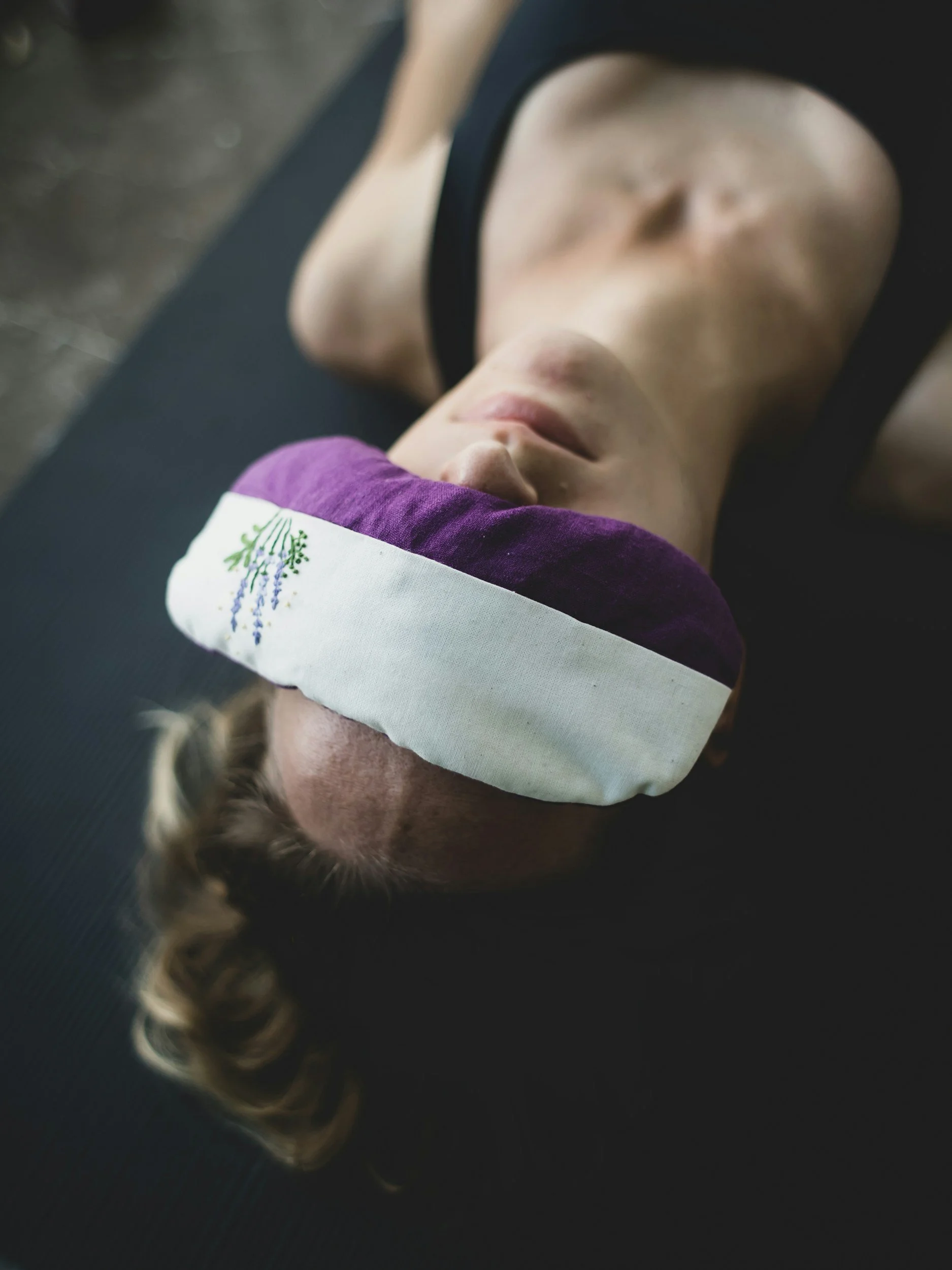
Reclined (Supine)
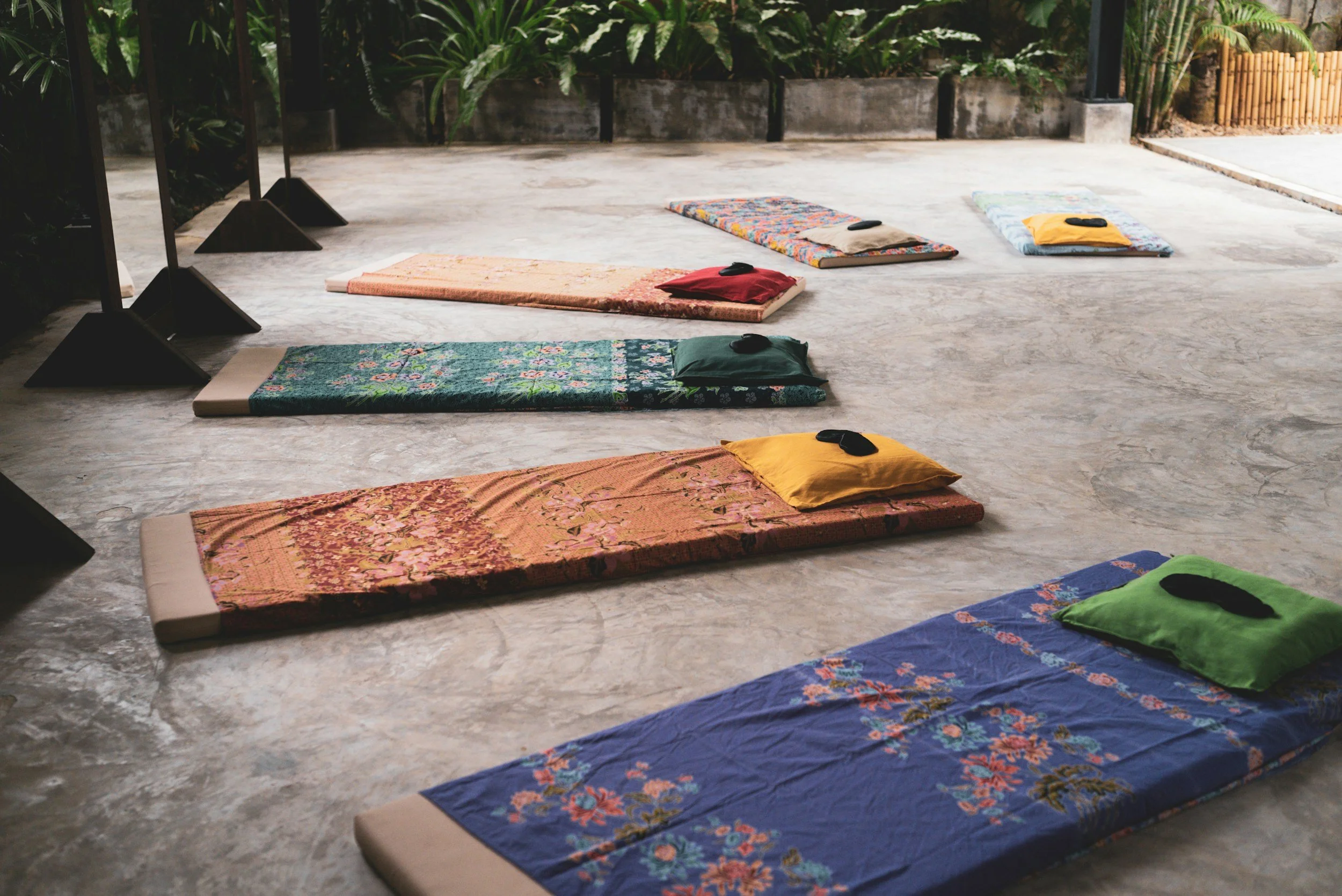
You can rest on the floor, a yoga mat, or a bed—any surface that feels supportive and easy for your body.
Your legs can be extended or your knees bent, depending on what feels most comfortable.
Keep your feet relaxed and uncrossed to support natural alignment and reduce tension.
A pillow under your head or under your knees can add comfort and ease.
If lying flat is uncomfortable, you can use cushions, bolsters, or an angled backrest to settle into a semi‑reclined or propped‑up position.
A reclined or semi‑reclined posture is especially helpful during pain, fatigue, dizziness, or when you’re looking for a calming, down‑regulating practice.
Standing
Feet hip‑width apart, weight evenly distributed.
Knees soft, not locked.
Useful when seated and/or reclined postures feel activating or uncomfortable.
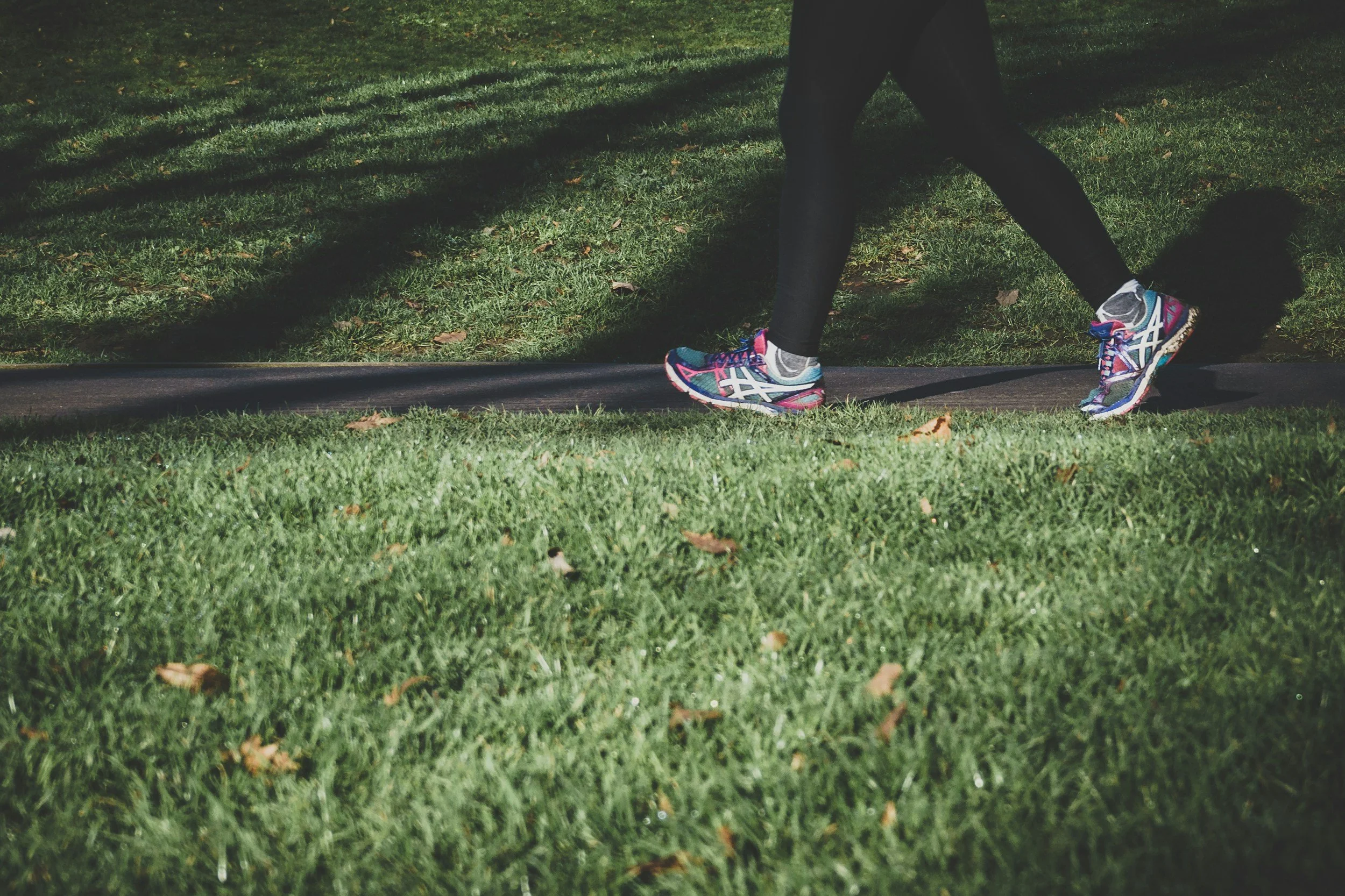
Walking
Slow, steady pace.
Attention placed on the sensation of the feet contacting the ground.
Helpful for restlessness or when stillness feels inaccessible.
4. Use of Props
Props enhance comfort and accessibility. They are not a sign of inexperience; they are a sign of wise support.

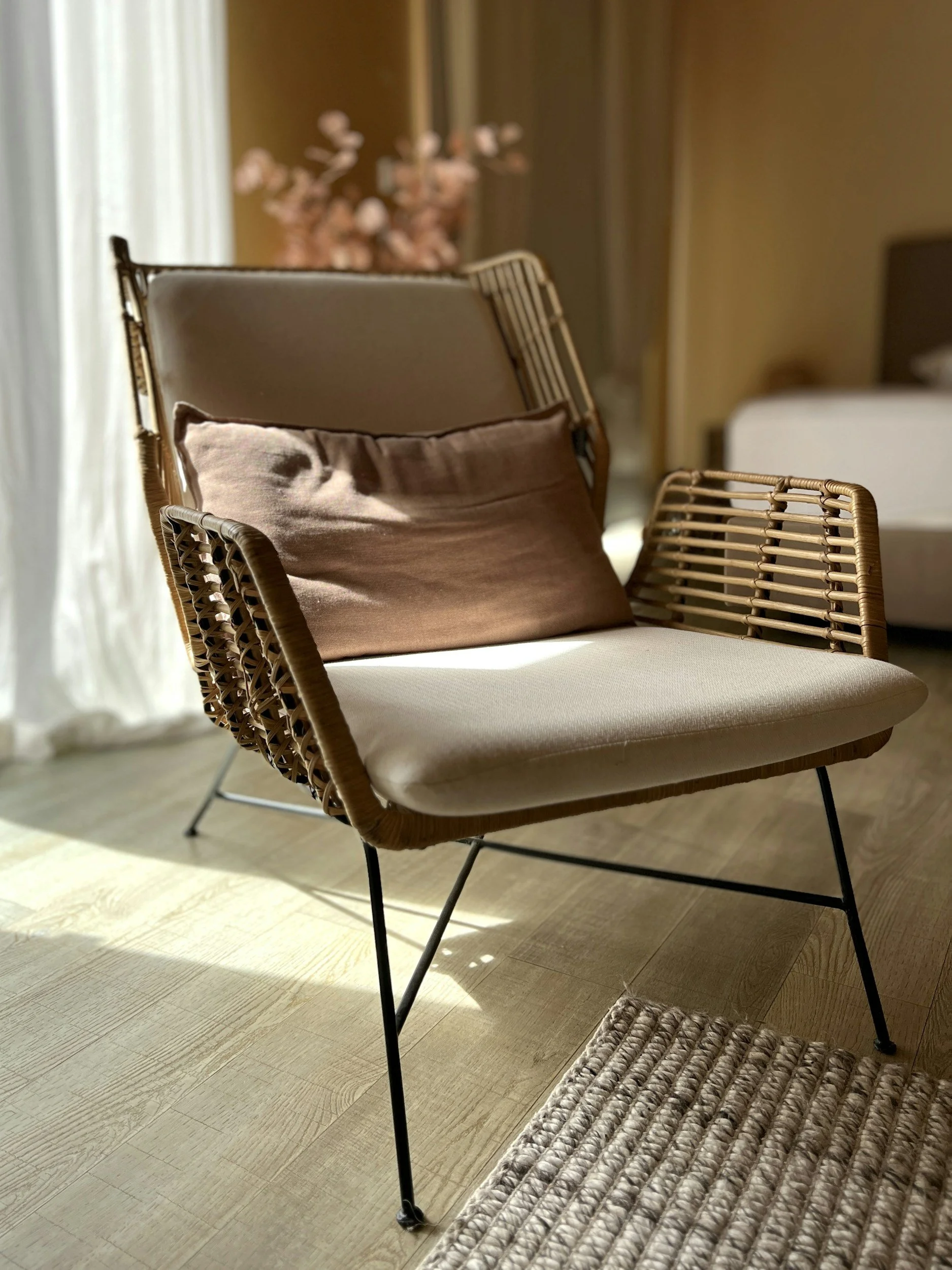
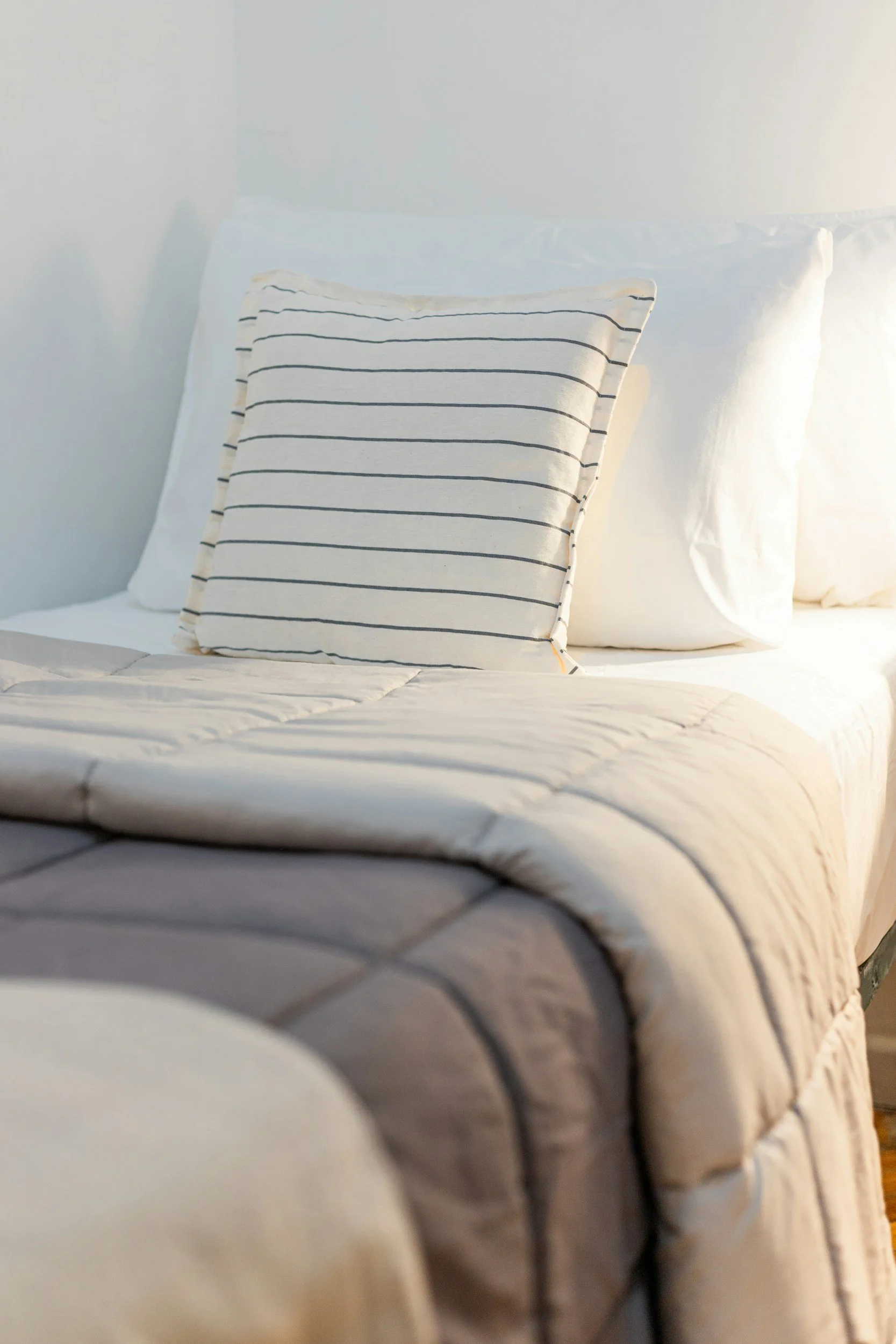
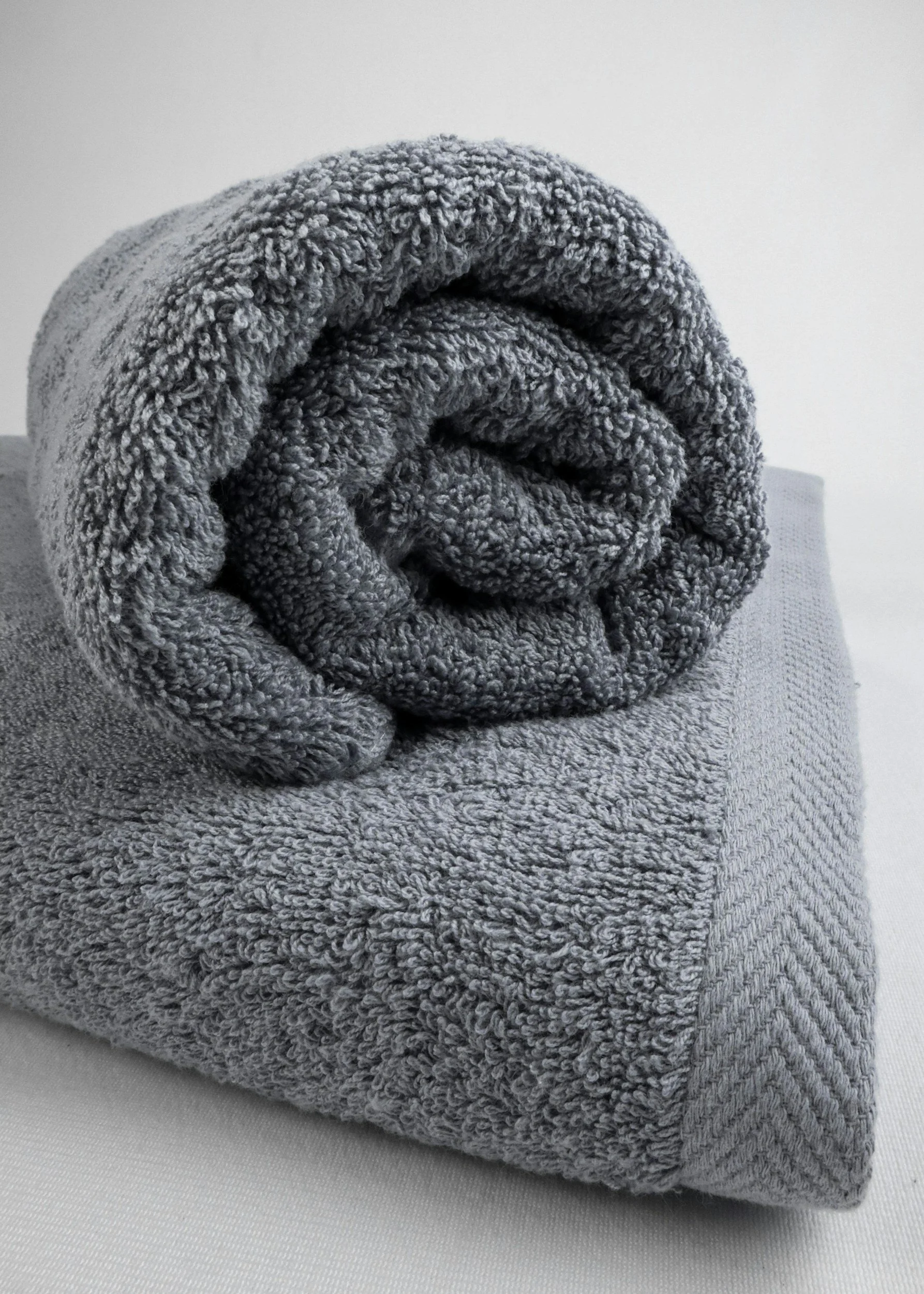
Common options:
Cushions or bolsters under the hips
Blankets under the knees or ankles
A supportive chair
Rolled towels for lumbar support
Pillows under the head when lying down
Weighted blankets or eye pillows for grounding
Cushions, bolsters, or an angled backrest to create a semi‑reclined position
Choose any combination that helps your body feel at ease.
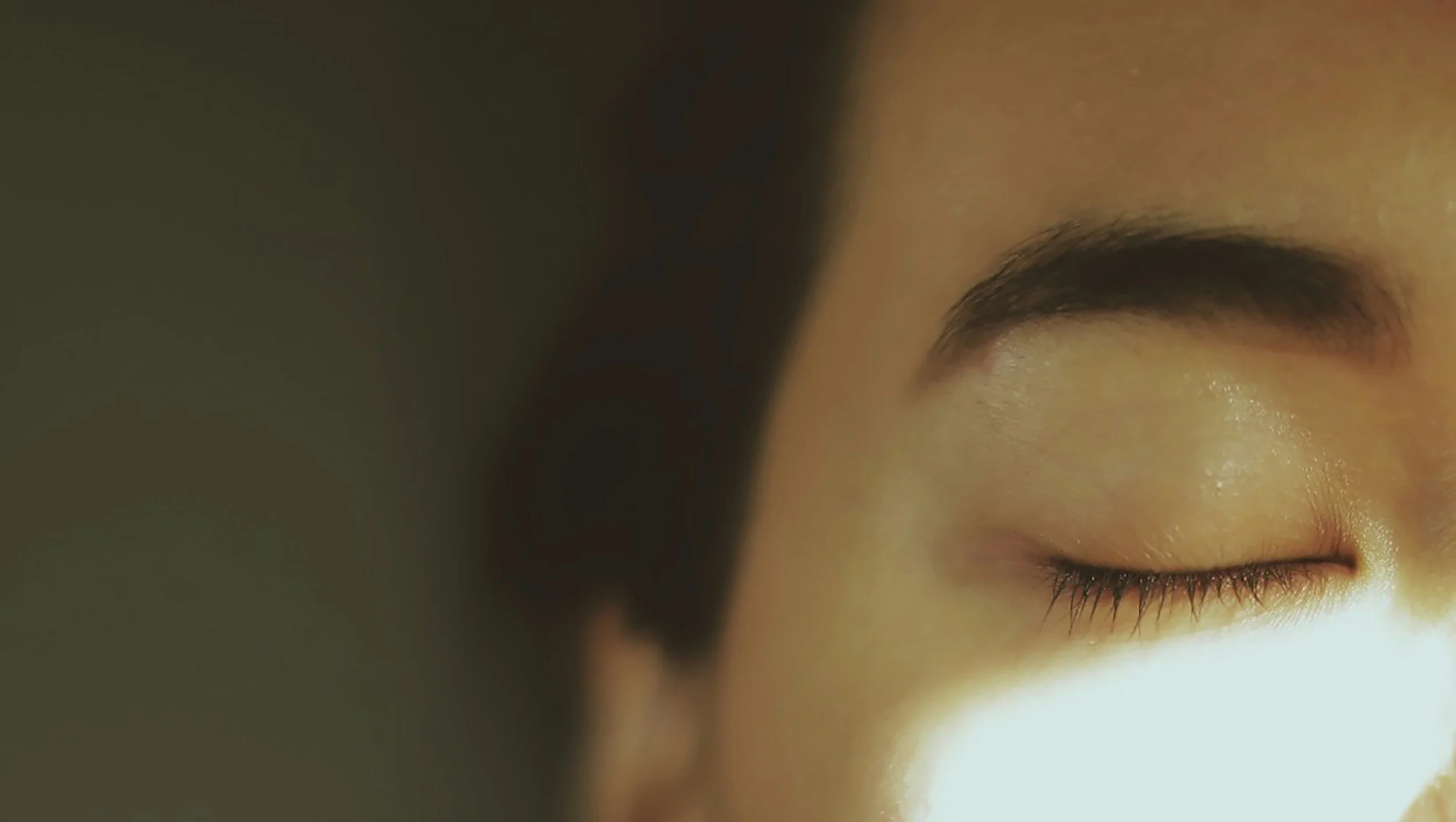
5. Eyes Open vs. Eyes Closed
Both options are valid and can be adjusted throughout practice.
Eyes Open (Soft Gaze)
Supports grounding and orientation
Helps maintain alertness
Reduces internal imagery and intensity
Eyes Closed
Encourages internal focus
Can feel restful and immersive
May be overwhelming or disorienting for some individuals
Use whichever option feels most supportive in the moment.
6. Hand Positions
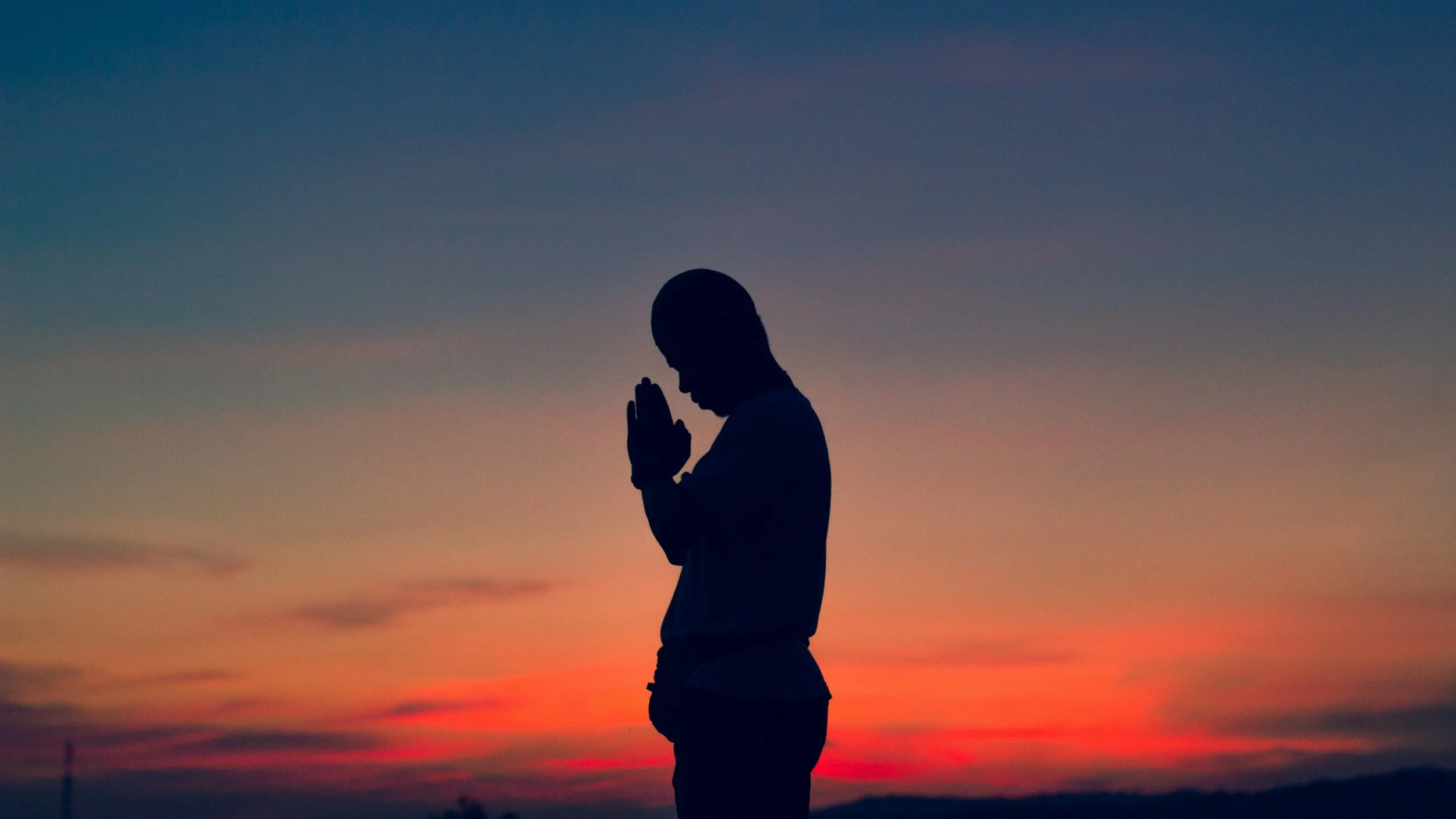
Hand placement can be functional, symbolic, or simply comfortable.
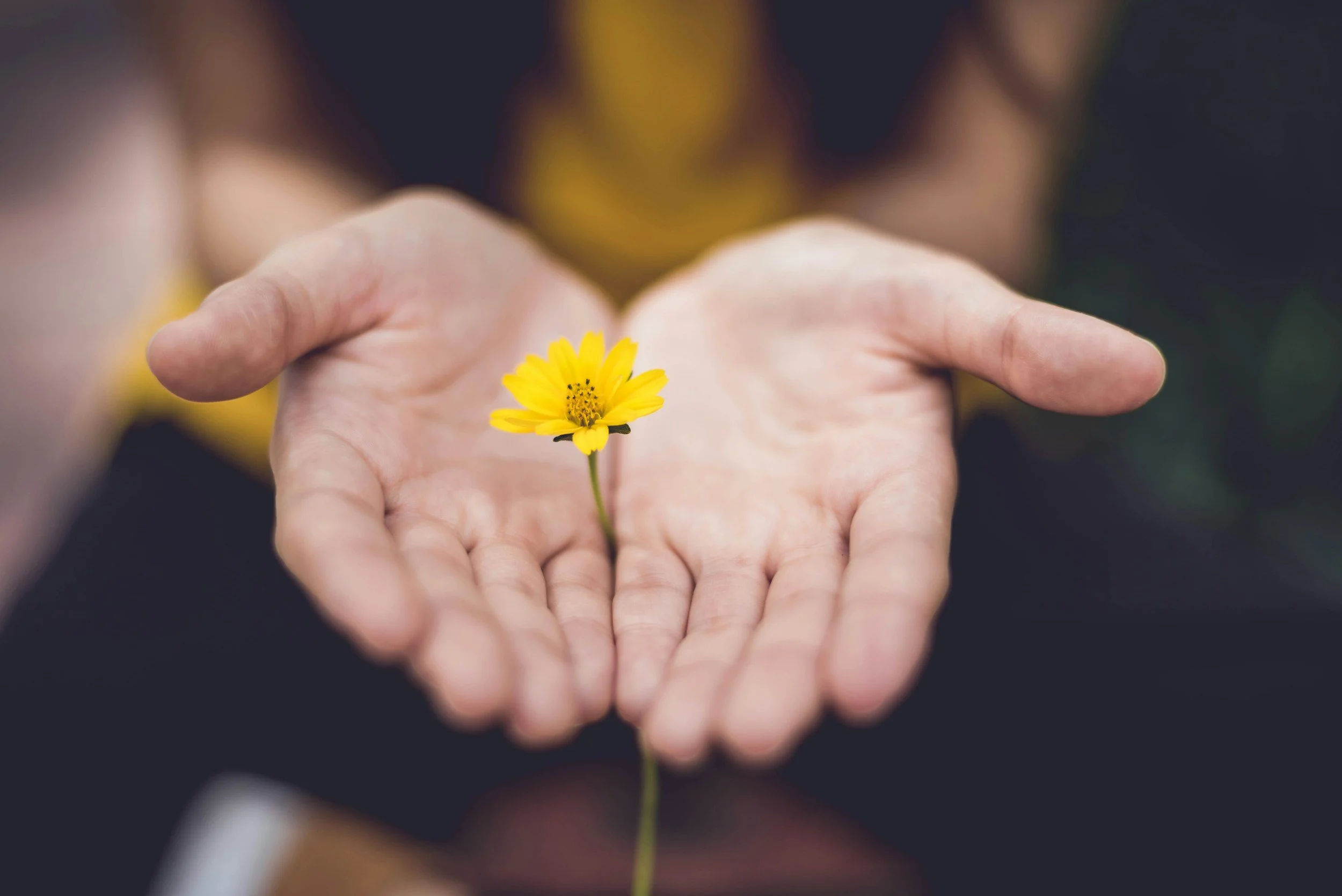
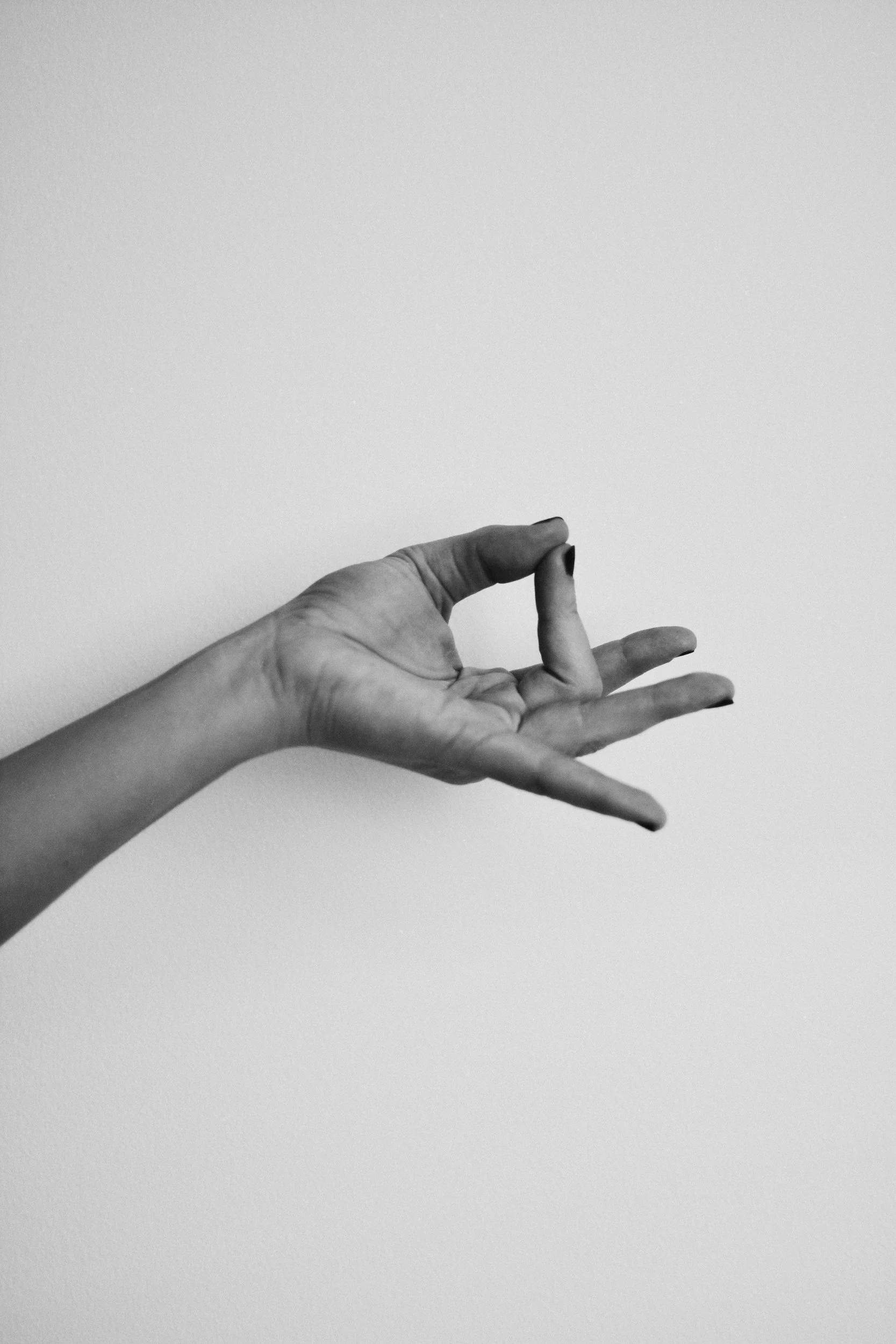
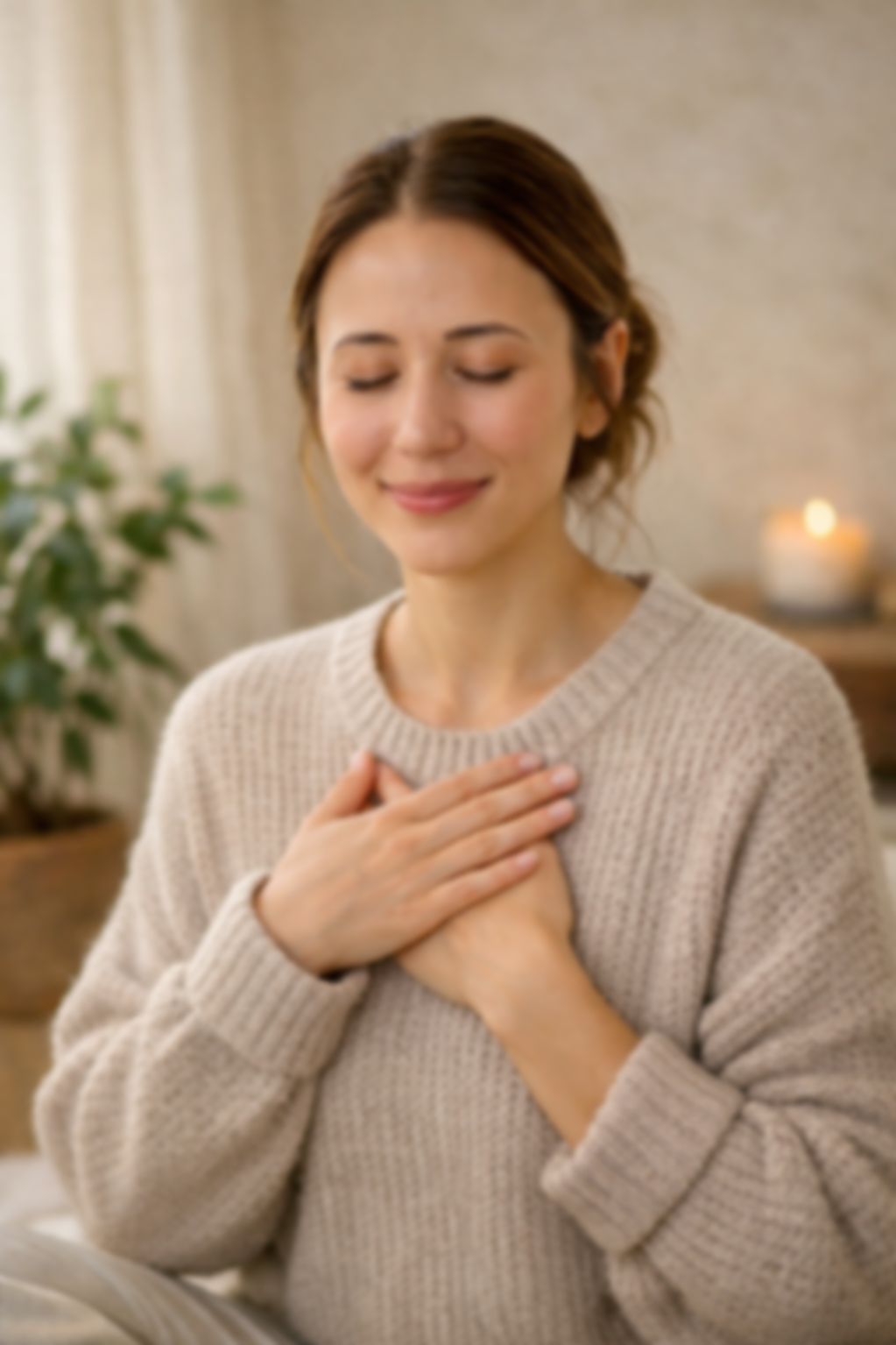
Options include:
Hands resting on the thighs or knees
Palms up (receptive) or palms down (grounding)
One hand resting in the other at the lap (traditionally the right hand rests on top, but either way is fine)
Hands placed on the heart or abdomen for connection and regulation
Traditional mudras (symbolic gestures) if personally meaningful
There is no required hand position. Your hands can rest in whatever way feels natural and supportive.
7. Key Takeaway
Meditation does not depend on a specific posture. It depends on your ability to remain present, supported, and connected to your breath. Any posture—seated, standing, reclined, or walking—is appropriate if it helps you feel safe and steady.
Your body leads. Your posture follows.