What is Pain?
Understanding the Psychology and Physiology Behind It
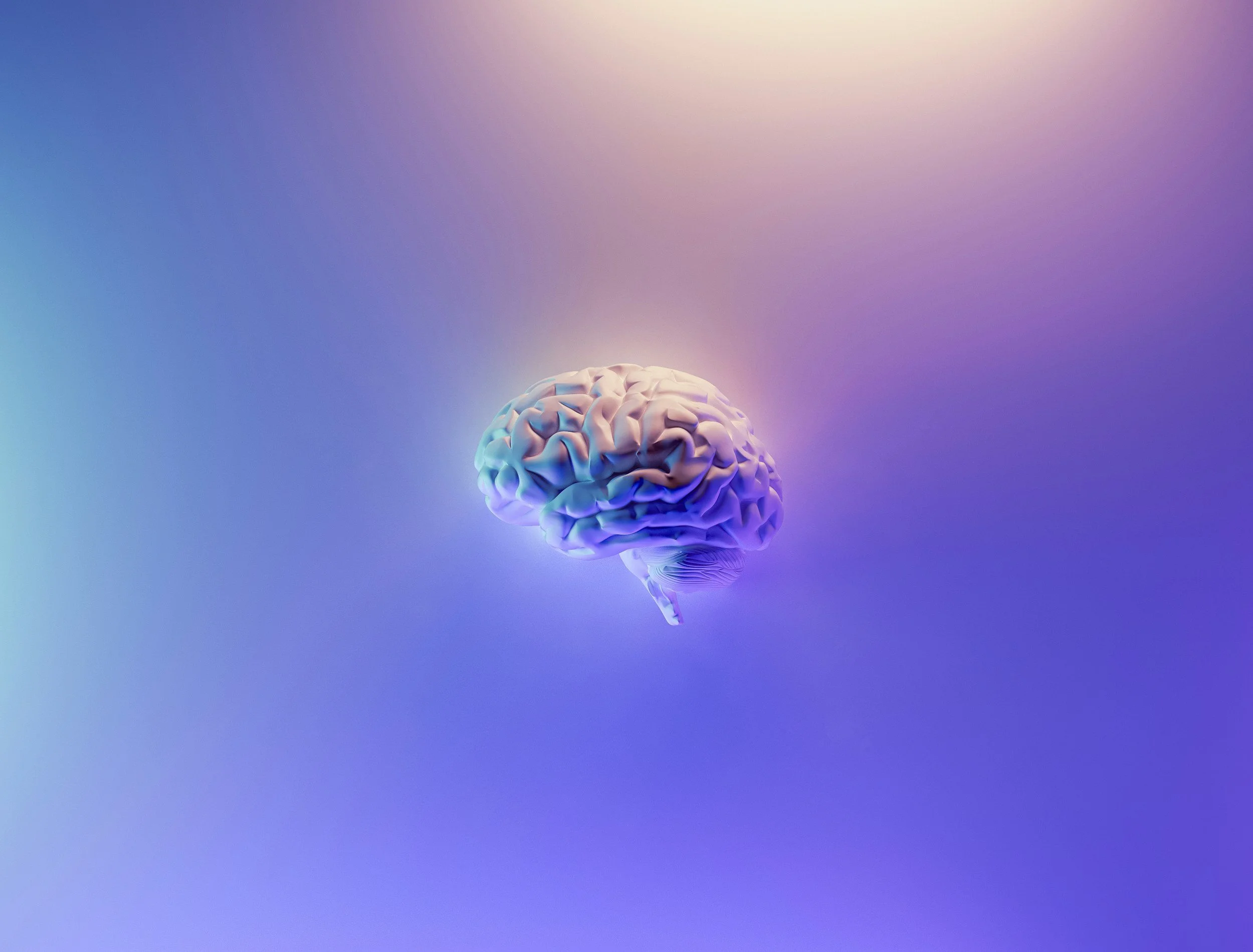
Pain is not just a physical sensation—it’s a whole-body, whole-person experience shaped by your nervous system, your history, your emotions, and your environment. Pain is your body’s protective alarm system. When something feels threatening—physically or emotionally—your brain uses pain to get your attention.
This means pain is real.
And it is influenced by far more than tissues alone.
Modern pain science shows that pain is created by the brain as a protective response. Sometimes that response lines up perfectly with what’s happening in the body, and sometimes it becomes more sensitive or reactive than the situation requires. This is a normal part of how the nervous system learns and adapts.
How Pain Signals Reach the Brain
When you touch something truly dangerous—like a hot stove—your body uses a fast, efficient pathway to protect you. Sensors in your skin send a message through your nerves, up your spinal cord, and into your brain. Your brain evaluates the signal and instantly creates pain to make you pull your hand away. This is a life-saving reflex.
But your brain can also create pain when it believes something might be dangerous, even if the tissues are safe.
Think of walking through a dark basement and brushing against something that feels like a spiderweb. Your whole body reacts—your heart jumps, your muscles tense—even if it’s just a piece of string. The reaction is real, even though the threat isn’t.
Pain can work the same way.
If your brain has learned that a certain movement, posture, or situation might be risky, it may create pain as a protective response. Not because you’re imagining it, but because your nervous system is trying to keep you safe based on past experiences, stress levels, and expectations.
Why Pain Doesn’t Always Match the Body
Your brain is constantly evaluating safety. It asks:
Have we felt this before?
What happened last time?
Am I stressed, tired, overwhelmed, or under-resourced?
Do I expect this to hurt?
Do I feel supported?
If the brain senses uncertainty or threat—even subtle, emotional, or unconscious—it may increase pain to protect you. This is a survival mechanism, not a sign that something is “wrong” with your body.
Understanding this helps reduce fear and gives you more room to breathe inside your experience.
Pain Is Learned—And That Means It Can Be Relearned
Pain is not imagined or exaggerated.
But it is influenced by learning.
Your nervous system learns pain the same way it learns anything else: through repetition, association, and meaning. If a certain movement or situation has been paired with pain in the past, your brain may predict pain before anything harmful occurs.
This is why:
A familiar movement can trigger discomfort even when tissues are healthy
Stress or emotional load can amplify physical sensations
Pain can fluctuate or feel inconsistent
The body can become more sensitive over time
This learning is automatic. It’s your brain trying to protect you.
And because the nervous system is adaptable, these patterns can be updated.
The Pain Cycle
Many people find themselves stuck in a predictable loop:
1. Sensation or Trigger
A twinge, ache, or familiar discomfort appears.
2. Interpretation
Your brain quickly decides whether this sensation is safe or dangerous, often based on past experiences.
3. Emotional Response
Fear, frustration, or worry arise—completely normal reactions that increase nervous-system activation.
4. Protective Behaviors
You might brace, avoid movement, overcorrect posture, or push through pain. These strategies make sense, but they can reinforce the brain’s sense of threat.
5. Increased Sensitivity
The nervous system becomes more alert, amplifying signals. Pain feels louder or more persistent.
6. Reinforcement
The next time a sensation appears, the brain reacts even faster, repeating the cycle.
This cycle is not a personal failing. It’s a sign of a nervous system doing its best to protect you—even if the strategy is no longer helpful.
Why Pain Can Persist Even After Healing
Most tissues heal within weeks or months. But the nervous system can stay on high alert long after the body has recovered. This is called sensitization—a state where the alarm system becomes overly sensitive.
Sensitization can look like:
Pain that spreads or lingers
Pain triggered by stress, fatigue, or emotional load
Pain that feels out of proportion to the activity
Pain that fluctuates without a clear pattern
This doesn’t mean the pain is “in your head.”
It means your system has learned to protect you quickly and intensely.
And it can learn a new way.
A Nervous-System Lens for Healing
When you understand how pain works, you can begin to shift your relationship with it. Education itself is therapeutic—it reduces fear, increases clarity, and helps your brain recalibrate its protective responses.
A nervous-system–informed approach includes:
Awareness of your body’s signals without judgment
Gentle, non-threatening movement to rebuild trust
Breathwork to downshift from “protect” to “restore”
Somatic practices that increase interoceptive clarity
Cognitive reframing to soften fear-based interpretations
Stress regulation to reduce overall system load
These tools don’t override pain—they help your system feel safe enough to change it.
A Compassionate Path Forward
You deserve support that honors both the science of pain and the lived experience of it. You deserve education that empowers you, not overwhelms you. And you deserve practices that meet your body where it is—with gentleness, clarity, and respect.
Pain is not a life sentence.
Your nervous system is adaptable.
And with the right understanding, you can begin to shift your patterns, reclaim ease, and feel more at home in your body.